Your Trusted New Zealand Gold & Silver Dealer, Shipping Across Sydney, Melbourne & All of Australia


'%3e%3cpath%20d='M35.9662%2018.6756C35.9662%2028.4318%2028.0577%2036.4142%2018.2276%2036.4142C8.47382%2036.4142%200.491455%2028.4318%200.491455%2018.6756C0.491455%208.84547%208.47382%200.937012%2018.2276%200.937012C28.0577%200.937012%2035.9662%208.84547%2035.9662%2018.6756Z'%20fill='%234E4E4E'/%3e%3cpath%20d='M28.5611%2013.6174C28.3197%2012.7144%2027.6084%2012.003%2026.7052%2011.7616C25.0681%2011.323%2018.5034%2011.323%2018.5034%2011.323C18.5034%2011.323%2011.9389%2011.323%2010.3018%2011.7616C9.39859%2012.003%208.68734%2012.7144%208.44594%2013.6174C8.0072%2015.2547%208.0072%2018.6703%208.0072%2018.6703C8.0072%2018.6703%208.0072%2022.086%208.44594%2023.7231C8.68734%2024.6262%209.39859%2025.3378%2010.3018%2025.579C11.9389%2026.0177%2018.5034%2026.0177%2018.5034%2026.0177C18.5034%2026.0177%2025.0681%2026.0177%2026.7052%2025.579C27.6084%2025.3378%2028.3197%2024.6262%2028.5611%2023.7231C28.9998%2022.086%2028.9998%2018.6703%2028.9998%2018.6703C28.9998%2018.6703%2028.9998%2015.2547%2028.5611%2013.6174Z'%20fill='%23E2D0A9'/%3e%3cpath%20d='M16.0072%2021.323L21.0072%2018.3232L16.0072%2015.323V21.323Z'%20fill='%234E4E4E'/%3e%3c/g%3e%3cdefs%3e%3cclipPath%20id='clip0_1338_5546'%3e%3crect%20width='37'%20height='37'%20fill='white'%20transform='translate(0.00720215%200.322998)'/%3e%3c/clipPath%3e%3c/defs%3e%3c/svg%3e)
;}%3c/style%3e%3cclipPath%20id='b'%3e%3crect%20class='c'%20width='37'%20height='37'/%3e%3c/clipPath%3e%3c/defs%3e%3cg%20class='f'%3e%3cpath%20class='d'%20d='M36.23,18.35c0,9.75-7.91,17.74-17.74,17.74S.75,28.11.75,18.35,8.73.61,18.49.61s17.74,7.91,17.74,17.74Z'/%3e%3cpath%20class='e'%20d='M25.53,12.76c-2-.43-3.49-2.11-3.68-4.15v-.43h-3.36v13.35c0,1.56-1.28,2.82-2.84,2.82-.88,0-1.71-.42-2.24-1.12h0s0,0,0,0c-.94-1.24-.7-3.02.54-3.96.73-.56,1.69-.72,2.57-.44v-3.42c-3.38-.47-6.5,1.9-6.97,5.28-.26,1.89.37,3.8,1.7,5.17,2.39,2.44,6.3,2.49,8.74.1,1.19-1.16,1.86-2.76,1.86-4.42v-6.82c1.36.97,2.99,1.49,4.66,1.49v-3.34c-.33,0-.66-.03-.98-.1Z'/%3e%3c/g%3e%3c/svg%3e)
'%3e%3cpath%20fill-rule='evenodd'%20clip-rule='evenodd'%20d='M36.0997%2018.6758C36.0997%2028.4296%2028.1913%2036.4144%2018.3611%2036.4144C8.53345%2036.4144%200.625%2028.4296%200.625%2018.6758C0.625%208.84571%208.53345%200.937256%2018.3611%200.937256C28.1913%200.937256%2036.0997%208.84571%2036.0997%2018.6758Z'%20fill='%234E4E4E'/%3e%3cpath%20fill-rule='evenodd'%20clip-rule='evenodd'%20d='M22.5741%2010.25H19.9158C17.6984%2010.25%2016.0699%2012.0978%2016.0699%2014.4629V16.089H13.2638V18.8237H16.0699V27.0277H19.2481V18.8237H22.5741V16.089H19.2481V14.1673C19.2481%2013.576%2019.6201%2013.1325%2019.9158%2013.1325H22.5741V10.25Z'%20fill='%23E2D0A9'/%3e%3c/g%3e%3cdefs%3e%3cclipPath%20id='clip0_1338_5538'%3e%3crect%20width='37'%20height='37'%20fill='white'%20transform='translate(0.00720215%200.322998)'/%3e%3c/clipPath%3e%3c/defs%3e%3c/svg%3e)
'%3e%3cpath%20fill-rule='evenodd'%20clip-rule='evenodd'%20d='M36.2344%2018.6756C36.2344%2028.4294%2028.3259%2036.4142%2018.4933%2036.4142C8.73957%2036.4142%200.757202%2028.4294%200.757202%2018.6756C0.757202%208.84547%208.73957%200.937012%2018.4933%200.937012C28.3259%200.937012%2036.2344%208.84547%2036.2344%2018.6756Z'%20fill='%234E4E4E'/%3e%3cpath%20fill-rule='evenodd'%20clip-rule='evenodd'%20d='M26.3155%209.78467C26.6931%209.78467%2027.0278%209.91374%2027.3195%2010.1719C27.6113%2010.4301%2027.7572%2010.7484%2027.7572%2011.1271V27.4423C27.7572%2027.8209%2027.6113%2028.1393%2027.3195%2028.3974C27.0278%2028.6556%2026.6931%2028.7847%2026.3155%2028.7847H10.1474C9.76985%2028.7847%209.44374%2028.6556%209.16913%2028.3974C8.89451%2028.1393%208.7572%2027.8209%208.7572%2027.4423V11.1271C8.7572%2010.7484%208.89451%2010.4301%209.16913%2010.1719C9.44374%209.91374%209.76985%209.78467%2010.1474%209.78467H26.3155ZM14.2989%2025.618V16.9097H11.9239V25.618H14.2989ZM12.7155%2015.3263C13.1444%2015.3263%2013.5154%2015.1697%2013.8288%2014.8563C14.1422%2014.5429%2014.2989%2014.1718%2014.2989%2013.743C14.2989%2013.3142%2014.1422%2012.9431%2013.8288%2012.6297C13.5154%2012.3164%2013.1444%2012.1597%2012.7155%2012.1597C12.2867%2012.1597%2011.9156%2012.3164%2011.6023%2012.6297C11.2889%2012.9431%2011.1322%2013.3142%2011.1322%2013.743C11.1322%2014.2048%2011.2806%2014.5841%2011.5775%2014.881C11.8744%2015.1779%2012.2537%2015.3263%2012.7155%2015.3263ZM24.5905%2025.618V20.9252C24.5905%2019.635%2024.36%2018.6433%2023.899%2017.9498C23.438%2017.2564%2022.5586%2016.9097%2021.2609%2016.9097C19.9632%2016.9097%2019.0753%2017.3612%2018.5972%2018.2643H18.5459V17.1032H15.8822V25.618H18.6484V21.409C18.6484%2019.9576%2019.2119%2019.2319%2020.3388%2019.2319C20.7828%2019.2319%2021.1157%2019.369%2021.3377%2019.6431C21.5597%2019.9173%2021.6878%2020.1753%2021.7219%2020.4172C21.7561%2020.6591%2021.7731%2021.0058%2021.7731%2021.4574V25.618H24.5905Z'%20fill='%23E2D0A9'/%3e%3c/g%3e%3cdefs%3e%3cclipPath%20id='clip0_1338_5530'%3e%3crect%20width='37'%20height='37'%20fill='white'%20transform='translate(0.00720215%200.322998)'/%3e%3c/clipPath%3e%3c/defs%3e%3c/svg%3e)




My Gold News | 3 April 2026
Gold and Silver Investment: Should You Buy the Dip?

If you’ve been watching the gold price in NZ or Australia or checking the silver price lately, you’ve probably noticed the market has been anything but chill.
Prices pushed higher, then dropped back. That kind of move always gets people talking. Some start wondering if they’ve missed the boat. Others think it might finally be the right time to buy gold or buy silver while prices are off their highs. And then there’s everyone in the middle just trying to work out what any of it actually means.
That’s the thing about precious metals - they tend to get a lot more attention when markets feel shaky. When inflation is still lingering, living costs keep climbing, and confidence in the wider financial system starts feeling a little fragile, more people start looking at physical gold and silver as a way to protect what they’ve built.
And that’s really the bigger story here.
This isn’t just about whether the gold price today is up or down. It’s about why more people in New Zealand are paying attention to gold bullion, silver bullion, and physical precious metals in the first place.
Why Are Gold and Silver Prices Falling?
When people search why the gold price is falling or why silver is dropping, they’re usually looking for a simple answer. Unfortunately, markets love being dramatic and unhelpful.
Gold and silver prices move for all sorts of reasons - US dollar strength, inflation expectations, oil prices, geopolitical uncertainty, supply pressure, investor sentiment, and global demand. Sometimes prices rise because fear enters the market. Sometimes they pull back because momentum cools or traders take profit. Sometimes it’s a mix of both.
What matters is that a pullback does not automatically mean the long-term outlook has changed.
That’s where a lot of newer investors get stuck. They see a drop in the gold price or silver price and assume something is broken. But in the world of precious metals, short-term volatility is normal. Gold and silver do not move in perfect little lines. They surge, cool off, find support, then move again. It’s messy. That’s the game.
For long-term buyers, a drop in the gold price or silver price can actually be the moment the market gets more interesting, not less.
Is Now a Good Time to Buy Gold in NZ and Australia?
That depends on how you see gold.
If you’re treating physical gold like a quick trade, trying to buy one week and flip the next, you’re probably looking at the wrong asset. Physical gold works very differently from fast-moving paper trades. It has premiums built into it, it’s tangible, and it generally makes more sense as a longer-term hold.
But if you’re looking at buying gold in NZ and Australia as a way to preserve wealth, diversify what you hold, and step away from having everything exposed to cash or the banking system, then lower prices tend to get attention for a reason.
When the gold price comes back after a strong run, buyers who were sitting on the sidelines often start moving. That’s why phrases like buy gold, gold price today and is now a good time to buy gold become such strong search terms. People are not just window shopping - they’re trying to decide whether this is their entry point.
And for many, the appeal of physical gold has nothing to do with hype. It’s about owning something real.
Why More Kiwis and Aussies Are Looking at Physical Gold
There’s a big difference between watching numbers on a screen and holding a physical asset in your hand.
That’s one of the reasons physical gold in NZ and Australia keeps drawing attention when things feel uncertain. It offers something that paper money and digital balances don’t - tangibility. It’s not just a promise, not just a number in an account, and not something that depends on the same kind of confidence people place in fiat currency and financial institutions.
That idea hits harder when inflation starts eating away at savings. A lot of people leave money in the bank because it feels safe, but that doesn’t mean it holds value the way people think it does. If the cost of everything keeps rising, then money sitting still is still losing ground.
That’s why gold investment in NZ and Australia continues to stay relevant. Not because everyone suddenly wants to become a hardcore bullion nerd overnight, but because more people are asking a very basic question: how do I protect the purchasing power of the money I’ve worked hard for?
Gold has been answering that question for a very long time.
Buy Gold or Buy Silver - What’s the Better Move?
This is where it gets a little more fun, because gold and silver might sit in the same category, but they don’t always play the same role.
Gold is usually seen as the steadier option. It’s the name people know best, the metal most closely associated with long-term wealth protection, and the one many buyers choose when they want stability and simplicity.
Silver is a different beast.
Silver is often more affordable to get into, which makes it attractive for investors who want exposure to physical precious metals without the higher price point of gold. But silver is also typically more volatile. It can move harder and faster, both up and down, which means it tends to appeal to buyers who are comfortable with a bit more movement.
That’s why searches around gold vs silver investment, should I buy silver, and is silver a good investment are so common. People want to know whether silver offers more upside, whether gold is safer, and how the two compare if they’re investing for the long haul.
The answer usually comes down to goals.
If you want a classic store of value, gold often feels like the cleaner choice. If you want a lower entry point and are willing to accept more volatility, silver becomes seriously attractive.
A lot of investors don’t choose one or the other. They hold both.
Why Silver Keeps Getting More Attention
Silver is one of those assets that people often underestimate until they start digging into it properly.
It’s not just a precious metal. It also has huge industrial use. It shows up in technology, energy, electronics, batteries, and a wide range of products people rely on every day. That gives silver a different demand profile from gold. It isn’t only being bought for wealth protection or investment. It’s also being used.
That’s a massive part of why silver bullion in NZ and Australia has become so interesting to people who are looking beyond just today’s silver price. If supply tightens while demand stays strong, especially in industries that need silver as a real material rather than just a financial asset, that changes the whole picture.
Silver bars and silver coins also tend to appeal to buyers who want to keep stacking steadily over time. The lower unit cost compared with gold makes that easier for many investors. So when people search buy silver or silver bullion, they’re often not just looking for a price - they’re looking for a way to start building a position in something physical.
And once people understand how much silver is used across modern industry, they usually stop seeing it as “gold’s cheaper cousin” and start seeing it as its own story.
Why Physical Bullion Feels Different From Paper Assets
One of the biggest mindset shifts for new buyers is realising that physical bullion is not the same as paper exposure.
When you buy physical gold bars, gold coins, silver bars, or silver coins, you’re buying something that has had to be mined, refined, minted, transported, and supplied. It exists in the real world. It has production costs. It has premiums. It has weight, form, and actual ownership attached to it.
That’s why the price of physical gold or silver is not always the same as the live spot price you see online. Spot price is the base market price, but real products carry additional cost depending on their format, manufacturing, and supply.
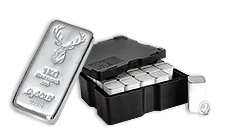
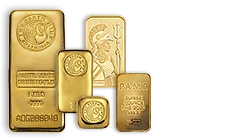
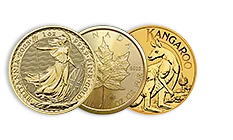
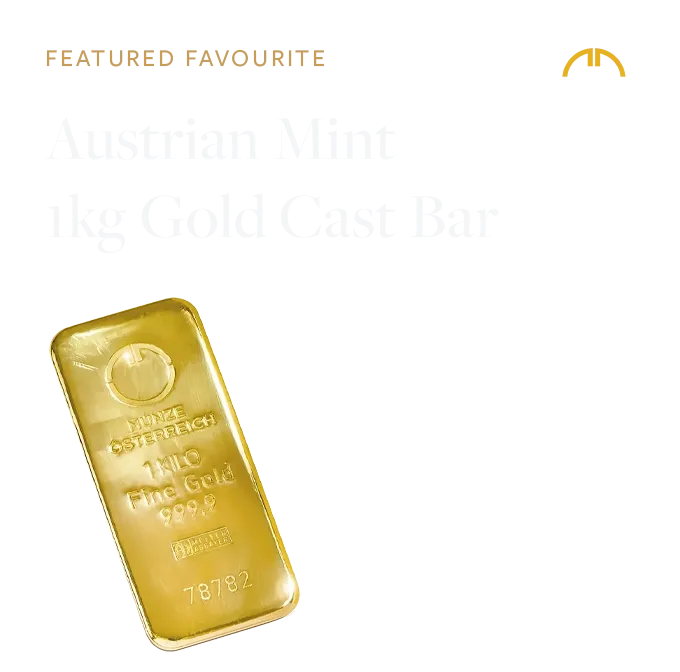
Cast bars, for example, are often one of the more cost-effective ways to buy gold bullion or silver bullion because they’re simpler to produce. Coins can cost more because they may have detailed designs, minting quality, collectability, or additional finishing involved.
This is where buyers start paying attention to terms like gold bars, silver bars, gold coins, and silver coins. They’re not all the same. The best option depends on budget, priorities, and what kind of buyer you are.
Why Trust Matters When Buying Gold and Silver
This part gets overlooked way too often.
People spend ages worrying about timing the market, then barely think about who they’re actually buying from.
But if you’re buying physical gold or silver in New Zealand, the credibility of the dealer matters. A lot. You want to know where the product comes from, whether the mint or refinery is recognised, whether the sourcing is reputable, and whether the business you’re buying from actually knows what it’s doing.
Because let’s be honest - saving a tiny amount by chasing the absolute cheapest deal is not the smartest move if it comes at the expense of confidence, authenticity, supply, or service.
When people search best place to buy gold or where to buy silver, that’s often what they’re really asking. Not just who has stock, but who they can trust.
And in a market built around hard assets, trust is not a side note. It’s the whole foundation.
Is Keeping Cash in the Bank Really Safer?
This is the question sitting underneath a lot of interest in gold and silver right now.
For years, the default advice has been simple - keep your money in the bank, let it sit there, and feel good because at least it’s safe. But more and more people are questioning what “safe” actually means if inflation keeps reducing what that money can buy.
That’s where precious metals come back into the conversation.
Gold and silver are often seen as a way to step outside the cycle of watching cash gradually lose purchasing power. They’re not magic. They’re not risk-free. But they are physical, finite, and historically recognised as stores of value in a way fiat currency simply isn’t.
That’s why terms like invest in gold, physical gold investment, and precious metals investment New Zealand carry so much weight. They reflect a very real shift in how people are thinking about money, sovereignty, and protection.
So, Should You Buy the Dip?
Maybe - but not because of panic, hype, or the fantasy of calling the perfect bottom.
The smarter reason to buy a dip in gold or silver is because it lines up with a long-term strategy. If you already believe in owning physical assets, if you want to diversify, and if you see gold or silver as part of protecting your savings over time, then a pullback can be a useful opportunity.
That’s very different from buying emotionally because a chart looked exciting on social media for 14 minutes.
For some people, buying the dip in the gold price is about starting a position. For others, it’s about adding to one. For silver buyers, a drop in price can be especially interesting because the market is smaller and often more reactive.
What matters most is understanding why you’re buying.
If your plan is long-term, a lower entry price can work in your favour. If your plan is short-term speculation, physical bullion may not be the right lane.
Final Thoughts
Gold and silver always get more interesting when the market gets noisy.
When prices are flying, everyone suddenly wants in. When prices pull back, people get nervous. But for serious long-term buyers, those quieter, messier moments are often the ones worth paying attention to.
The real question is not just where the gold price or silver price is sitting today. It’s why you’re looking in the first place.
If you’re trying to protect purchasing power, own something tangible, and hold an asset that exists outside the same system as cash in the bank, physical gold and silver still make a strong case. That’s why people keep searching buy gold, buy silver, gold bullion, silver bullion, and gold vs silver investment - because the interest is deeper than just price action.
It’s about control. It’s about protection. And for a growing number of people, it’s about owning something real while the rest of the world keeps getting noisier.
FAQs
Is now a good time to buy gold?
If you’re buying for the long term, lower prices often get attention because they can offer a better entry point. Physical gold is generally better suited to long-term wealth protection than short-term trading.
Is silver a good investment?
Silver appeals to many investors because it has a lower entry price than gold, strong industrial use, and potential for bigger price swings. It can be attractive for buyers who are comfortable with more volatility.
Why is the gold price falling?
Gold prices can fall due to US dollar strength, changing inflation expectations, profit-taking, and wider global market movements. Short-term pullbacks are normal in precious metals.
Why is silver price so volatile?
Silver is a smaller market than gold and has both investment and industrial demand. That combination can make price moves sharper and faster.
Should I buy gold or silver?
That depends on your goals. Gold is often chosen for stability and wealth preservation, while silver can appeal to those wanting a lower entry point and more upside potential.