New Zealand's Premier Gold & Silver Dealer — Shipping Fast to Sydney, Melbourne, and Across Australia


'%3e%3cpath%20d='M35.9662%2018.6756C35.9662%2028.4318%2028.0577%2036.4142%2018.2276%2036.4142C8.47382%2036.4142%200.491455%2028.4318%200.491455%2018.6756C0.491455%208.84547%208.47382%200.937012%2018.2276%200.937012C28.0577%200.937012%2035.9662%208.84547%2035.9662%2018.6756Z'%20fill='%234E4E4E'/%3e%3cpath%20d='M28.5611%2013.6174C28.3197%2012.7144%2027.6084%2012.003%2026.7052%2011.7616C25.0681%2011.323%2018.5034%2011.323%2018.5034%2011.323C18.5034%2011.323%2011.9389%2011.323%2010.3018%2011.7616C9.39859%2012.003%208.68734%2012.7144%208.44594%2013.6174C8.0072%2015.2547%208.0072%2018.6703%208.0072%2018.6703C8.0072%2018.6703%208.0072%2022.086%208.44594%2023.7231C8.68734%2024.6262%209.39859%2025.3378%2010.3018%2025.579C11.9389%2026.0177%2018.5034%2026.0177%2018.5034%2026.0177C18.5034%2026.0177%2025.0681%2026.0177%2026.7052%2025.579C27.6084%2025.3378%2028.3197%2024.6262%2028.5611%2023.7231C28.9998%2022.086%2028.9998%2018.6703%2028.9998%2018.6703C28.9998%2018.6703%2028.9998%2015.2547%2028.5611%2013.6174Z'%20fill='%23E2D0A9'/%3e%3cpath%20d='M16.0072%2021.323L21.0072%2018.3232L16.0072%2015.323V21.323Z'%20fill='%234E4E4E'/%3e%3c/g%3e%3cdefs%3e%3cclipPath%20id='clip0_1338_5546'%3e%3crect%20width='37'%20height='37'%20fill='white'%20transform='translate(0.00720215%200.322998)'/%3e%3c/clipPath%3e%3c/defs%3e%3c/svg%3e)
;}%3c/style%3e%3cclipPath%20id='b'%3e%3crect%20class='c'%20width='37'%20height='37'/%3e%3c/clipPath%3e%3c/defs%3e%3cg%20class='f'%3e%3cpath%20class='d'%20d='M36.23,18.35c0,9.75-7.91,17.74-17.74,17.74S.75,28.11.75,18.35,8.73.61,18.49.61s17.74,7.91,17.74,17.74Z'/%3e%3cpath%20class='e'%20d='M25.53,12.76c-2-.43-3.49-2.11-3.68-4.15v-.43h-3.36v13.35c0,1.56-1.28,2.82-2.84,2.82-.88,0-1.71-.42-2.24-1.12h0s0,0,0,0c-.94-1.24-.7-3.02.54-3.96.73-.56,1.69-.72,2.57-.44v-3.42c-3.38-.47-6.5,1.9-6.97,5.28-.26,1.89.37,3.8,1.7,5.17,2.39,2.44,6.3,2.49,8.74.1,1.19-1.16,1.86-2.76,1.86-4.42v-6.82c1.36.97,2.99,1.49,4.66,1.49v-3.34c-.33,0-.66-.03-.98-.1Z'/%3e%3c/g%3e%3c/svg%3e)
'%3e%3cpath%20fill-rule='evenodd'%20clip-rule='evenodd'%20d='M36.0997%2018.6758C36.0997%2028.4296%2028.1913%2036.4144%2018.3611%2036.4144C8.53345%2036.4144%200.625%2028.4296%200.625%2018.6758C0.625%208.84571%208.53345%200.937256%2018.3611%200.937256C28.1913%200.937256%2036.0997%208.84571%2036.0997%2018.6758Z'%20fill='%234E4E4E'/%3e%3cpath%20fill-rule='evenodd'%20clip-rule='evenodd'%20d='M22.5741%2010.25H19.9158C17.6984%2010.25%2016.0699%2012.0978%2016.0699%2014.4629V16.089H13.2638V18.8237H16.0699V27.0277H19.2481V18.8237H22.5741V16.089H19.2481V14.1673C19.2481%2013.576%2019.6201%2013.1325%2019.9158%2013.1325H22.5741V10.25Z'%20fill='%23E2D0A9'/%3e%3c/g%3e%3cdefs%3e%3cclipPath%20id='clip0_1338_5538'%3e%3crect%20width='37'%20height='37'%20fill='white'%20transform='translate(0.00720215%200.322998)'/%3e%3c/clipPath%3e%3c/defs%3e%3c/svg%3e)
'%3e%3cpath%20fill-rule='evenodd'%20clip-rule='evenodd'%20d='M36.2344%2018.6756C36.2344%2028.4294%2028.3259%2036.4142%2018.4933%2036.4142C8.73957%2036.4142%200.757202%2028.4294%200.757202%2018.6756C0.757202%208.84547%208.73957%200.937012%2018.4933%200.937012C28.3259%200.937012%2036.2344%208.84547%2036.2344%2018.6756Z'%20fill='%234E4E4E'/%3e%3cpath%20fill-rule='evenodd'%20clip-rule='evenodd'%20d='M26.3155%209.78467C26.6931%209.78467%2027.0278%209.91374%2027.3195%2010.1719C27.6113%2010.4301%2027.7572%2010.7484%2027.7572%2011.1271V27.4423C27.7572%2027.8209%2027.6113%2028.1393%2027.3195%2028.3974C27.0278%2028.6556%2026.6931%2028.7847%2026.3155%2028.7847H10.1474C9.76985%2028.7847%209.44374%2028.6556%209.16913%2028.3974C8.89451%2028.1393%208.7572%2027.8209%208.7572%2027.4423V11.1271C8.7572%2010.7484%208.89451%2010.4301%209.16913%2010.1719C9.44374%209.91374%209.76985%209.78467%2010.1474%209.78467H26.3155ZM14.2989%2025.618V16.9097H11.9239V25.618H14.2989ZM12.7155%2015.3263C13.1444%2015.3263%2013.5154%2015.1697%2013.8288%2014.8563C14.1422%2014.5429%2014.2989%2014.1718%2014.2989%2013.743C14.2989%2013.3142%2014.1422%2012.9431%2013.8288%2012.6297C13.5154%2012.3164%2013.1444%2012.1597%2012.7155%2012.1597C12.2867%2012.1597%2011.9156%2012.3164%2011.6023%2012.6297C11.2889%2012.9431%2011.1322%2013.3142%2011.1322%2013.743C11.1322%2014.2048%2011.2806%2014.5841%2011.5775%2014.881C11.8744%2015.1779%2012.2537%2015.3263%2012.7155%2015.3263ZM24.5905%2025.618V20.9252C24.5905%2019.635%2024.36%2018.6433%2023.899%2017.9498C23.438%2017.2564%2022.5586%2016.9097%2021.2609%2016.9097C19.9632%2016.9097%2019.0753%2017.3612%2018.5972%2018.2643H18.5459V17.1032H15.8822V25.618H18.6484V21.409C18.6484%2019.9576%2019.2119%2019.2319%2020.3388%2019.2319C20.7828%2019.2319%2021.1157%2019.369%2021.3377%2019.6431C21.5597%2019.9173%2021.6878%2020.1753%2021.7219%2020.4172C21.7561%2020.6591%2021.7731%2021.0058%2021.7731%2021.4574V25.618H24.5905Z'%20fill='%23E2D0A9'/%3e%3c/g%3e%3cdefs%3e%3cclipPath%20id='clip0_1338_5530'%3e%3crect%20width='37'%20height='37'%20fill='white'%20transform='translate(0.00720215%200.322998)'/%3e%3c/clipPath%3e%3c/defs%3e%3c/svg%3e)




Scottsdale Mint Gold and Silver: What Investors Need to Know in 2026
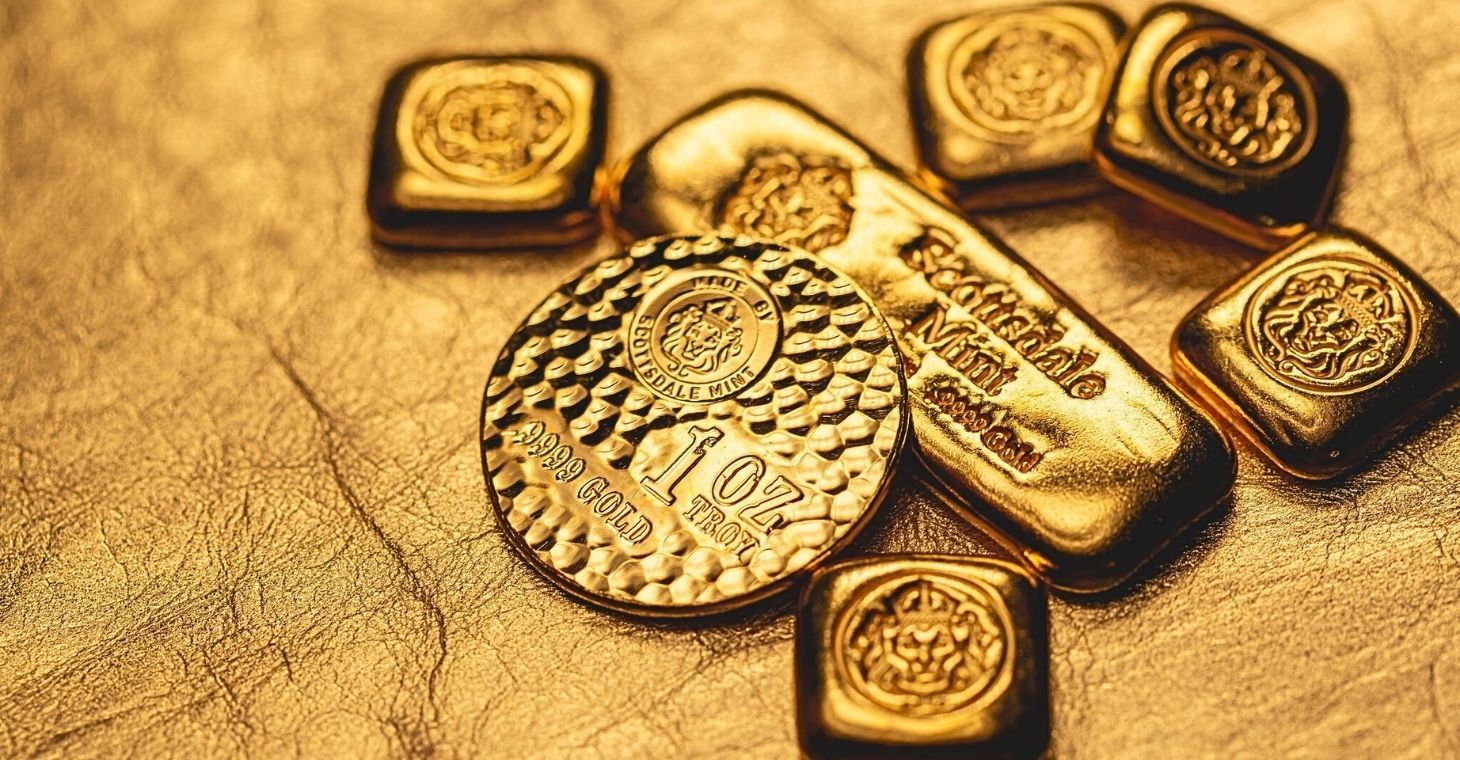
Scottsdale Mint and the New Era of Silver and Gold Investing
Explore Scottsdale Mint gold and silver products with confidence at MyGold, and build a portfolio grounded in physical assets designed to endure.
The global precious metals market is undergoing a shift that few investors have experienced before. Prices are volatile, demand is accelerating, and physical supply is becoming increasingly competitive. At the centre of this conversation are mints like Scottsdale Mint, whose growth story and market insight help explain why gold and silver are being revalued in real time.
At MyGold, conversations with global mint partners give us a clear picture of what’s happening beneath the surface. Speaking with Josh from Scottsdale Mint offered rare insight into how the precious metals market is evolving and what investors should be paying attention to as we head into 2026.
From a Guest Bedroom to a Global Mint
Scottsdale Mint’s story is not one of overnight success. The business began more than 18 years ago in a guest bedroom, growing steadily through disciplined decision-making and a focus on quality production. Its expansion into Wyoming was not part of a long-term master plan but a strategic response to where Scottsdale could operate more efficiently, produce at scale, and meet rising global demand for silver and gold bullion.
That adaptability matters. Scottsdale Mint is now entering 2026 on an entirely new production platform, positioned to operate in a market that looks very different from even a few years ago.
For investors, this highlights an important truth: the ability to produce physical metal matters just as much as price movements.
Why Precious Metals Prices Are Rising
One of the biggest misconceptions in the mainstream is that gold and silver prices rise for a single reason. In reality, today’s price movements are driven by multiple structural forces.
Silver, in particular, has been running a supply deficit for years. What’s changed is who is now competing for that supply. Governments, militaries, and state-backed institutions are increasingly active buyers of silver and other critical minerals. Unlike retail investors, these buyers operate with enormous budgets and long-term strategic objectives.
Silver was officially added to the U.S. critical minerals list, a move that coincided closely with silver’s sharp upward price movement in late summer. This reclassification reflects silver’s growing importance across defence, energy, and advanced technology sectors.
Gold, meanwhile, continues to benefit from central bank demand, balance sheet expansion, and long-term concerns around currency purchasing power.
Is This a Silver Shortage or a Production Bottleneck?
A common question investors ask is whether the world is running out of silver.
The reality is more nuanced. Silver is being mined, but production capacity and fabrication are under pressure. Turning raw silver into coins and bars requires blanks, equipment time, skilled labour, and stable logistics. With demand rising globally, production is struggling to keep pace.
This distinction matters. It explains why physical silver products can be difficult to source even when spot prices fluctuate. As Josh explained, price becomes irrelevant if you can’t secure the metal.
For investors, this reinforces the value of owning physical silver and gold, rather than relying solely on paper exposure that carries counterparty risk.
Silver’s Industrial Demand Is Not Slowing
Silver is no longer just a monetary metal. It is one of the most heavily used industrial metals in the modern economy, with applications across:
- Electronics
- AI chips and data infrastructure
- Battery systems
- Defence technology
- Renewable energy
- Advanced manufacturing
Emerging technologies continue to consume silver at accelerating rates. Even military hardware contains significant quantities of silver, further tightening supply.
This ongoing industrial demand is one reason many analysts believe silver remains structurally undervalued relative to gold.
Understanding the Gold-to-Silver Ratio
The gold-to-silver ratio is one of the most watched indicators in precious metals investing. Historically, this ratio has averaged closer to 15-to-1, while mining output sits around 8-to-1. Recently, the ratio has moved dramatically, dropping from over 100-to-1 to closer to 50-to-1.
These shifts reflect changing supply dynamics, industrial demand, and investor behaviour. While ratios alone don’t predict price movements, they help explain why silver is attracting renewed attention from governments, institutions, and long-term investors.
Are Precious Metals Overhyped?
There is no shortage of dramatic narratives surrounding precious metals. Some focus solely on currency collapse or the demise of fiat money. Josh’s perspective offers a more grounded view.
The issue is not that the U.S. dollar has collapsed – it hasn’t. The real problem is that purchasing power across all currencies continues to decline. Gold and silver are not speculative trades designed for short-term gains. They are tools for preserving value over time.
That distinction is critical for investors building long-term portfolios rather than chasing short-term price moves.
What 2026 Could Bring for Gold and Silver Investors
Looking ahead, volatility is expected to increase. Governments are actively securing supply lines, stockpiling strategic assets, and reshaping global trade relationships. Josh describes this as a world moving toward bifurcated trade blocs, where access to resources becomes increasingly strategic.
For investors, this environment favours steady accumulation rather than market timing. Dollar-cost averaging remains one of the most effective ways to build exposure to precious metals without reacting emotionally to price swings.
Physical ownership of gold and silver remains relatively low worldwide, particularly among everyday investors. That suggests the market is still early in its broader adoption cycle.
Why Investors Choose Scottsdale Mint Products at MyGold
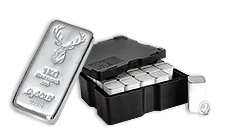
Scottsdale Mint products are trusted globally for their quality, consistency, and authenticity. At MyGold, we work closely with leading mints like Scottsdale to ensure New Zealand and Australian investors can access physical bullion during times of heightened demand.
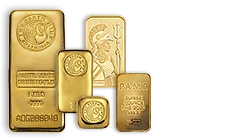
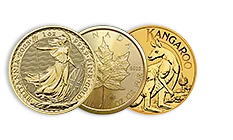
Whether you’re buying silver bars, gold bullion, or investment-grade products, sourcing from a reputable mint and dealer is essential.
Final Thoughts
The precious metals market is not just experiencing a price cycle – it’s undergoing a structural revaluation. Supply constraints, industrial demand, government participation, and long-term monetary pressures are reshaping how gold and silver are viewed.
Scottsdale Mint’s journey and market insight highlight why physical precious metals remain relevant in a changing world.
For investors, the message is clear: this is not about trading – it’s about positioning for the long term.