New Zealand's Premier Gold & Silver Dealer — Shipping Fast to Sydney, Melbourne, and Across Australia


'%3e%3cpath%20d='M35.9662%2018.6756C35.9662%2028.4318%2028.0577%2036.4142%2018.2276%2036.4142C8.47382%2036.4142%200.491455%2028.4318%200.491455%2018.6756C0.491455%208.84547%208.47382%200.937012%2018.2276%200.937012C28.0577%200.937012%2035.9662%208.84547%2035.9662%2018.6756Z'%20fill='%234E4E4E'/%3e%3cpath%20d='M28.5611%2013.6174C28.3197%2012.7144%2027.6084%2012.003%2026.7052%2011.7616C25.0681%2011.323%2018.5034%2011.323%2018.5034%2011.323C18.5034%2011.323%2011.9389%2011.323%2010.3018%2011.7616C9.39859%2012.003%208.68734%2012.7144%208.44594%2013.6174C8.0072%2015.2547%208.0072%2018.6703%208.0072%2018.6703C8.0072%2018.6703%208.0072%2022.086%208.44594%2023.7231C8.68734%2024.6262%209.39859%2025.3378%2010.3018%2025.579C11.9389%2026.0177%2018.5034%2026.0177%2018.5034%2026.0177C18.5034%2026.0177%2025.0681%2026.0177%2026.7052%2025.579C27.6084%2025.3378%2028.3197%2024.6262%2028.5611%2023.7231C28.9998%2022.086%2028.9998%2018.6703%2028.9998%2018.6703C28.9998%2018.6703%2028.9998%2015.2547%2028.5611%2013.6174Z'%20fill='%23E2D0A9'/%3e%3cpath%20d='M16.0072%2021.323L21.0072%2018.3232L16.0072%2015.323V21.323Z'%20fill='%234E4E4E'/%3e%3c/g%3e%3cdefs%3e%3cclipPath%20id='clip0_1338_5546'%3e%3crect%20width='37'%20height='37'%20fill='white'%20transform='translate(0.00720215%200.322998)'/%3e%3c/clipPath%3e%3c/defs%3e%3c/svg%3e)
;}%3c/style%3e%3cclipPath%20id='b'%3e%3crect%20class='c'%20width='37'%20height='37'/%3e%3c/clipPath%3e%3c/defs%3e%3cg%20class='f'%3e%3cpath%20class='d'%20d='M36.23,18.35c0,9.75-7.91,17.74-17.74,17.74S.75,28.11.75,18.35,8.73.61,18.49.61s17.74,7.91,17.74,17.74Z'/%3e%3cpath%20class='e'%20d='M25.53,12.76c-2-.43-3.49-2.11-3.68-4.15v-.43h-3.36v13.35c0,1.56-1.28,2.82-2.84,2.82-.88,0-1.71-.42-2.24-1.12h0s0,0,0,0c-.94-1.24-.7-3.02.54-3.96.73-.56,1.69-.72,2.57-.44v-3.42c-3.38-.47-6.5,1.9-6.97,5.28-.26,1.89.37,3.8,1.7,5.17,2.39,2.44,6.3,2.49,8.74.1,1.19-1.16,1.86-2.76,1.86-4.42v-6.82c1.36.97,2.99,1.49,4.66,1.49v-3.34c-.33,0-.66-.03-.98-.1Z'/%3e%3c/g%3e%3c/svg%3e)
'%3e%3cpath%20fill-rule='evenodd'%20clip-rule='evenodd'%20d='M36.0997%2018.6758C36.0997%2028.4296%2028.1913%2036.4144%2018.3611%2036.4144C8.53345%2036.4144%200.625%2028.4296%200.625%2018.6758C0.625%208.84571%208.53345%200.937256%2018.3611%200.937256C28.1913%200.937256%2036.0997%208.84571%2036.0997%2018.6758Z'%20fill='%234E4E4E'/%3e%3cpath%20fill-rule='evenodd'%20clip-rule='evenodd'%20d='M22.5741%2010.25H19.9158C17.6984%2010.25%2016.0699%2012.0978%2016.0699%2014.4629V16.089H13.2638V18.8237H16.0699V27.0277H19.2481V18.8237H22.5741V16.089H19.2481V14.1673C19.2481%2013.576%2019.6201%2013.1325%2019.9158%2013.1325H22.5741V10.25Z'%20fill='%23E2D0A9'/%3e%3c/g%3e%3cdefs%3e%3cclipPath%20id='clip0_1338_5538'%3e%3crect%20width='37'%20height='37'%20fill='white'%20transform='translate(0.00720215%200.322998)'/%3e%3c/clipPath%3e%3c/defs%3e%3c/svg%3e)
'%3e%3cpath%20fill-rule='evenodd'%20clip-rule='evenodd'%20d='M36.2344%2018.6756C36.2344%2028.4294%2028.3259%2036.4142%2018.4933%2036.4142C8.73957%2036.4142%200.757202%2028.4294%200.757202%2018.6756C0.757202%208.84547%208.73957%200.937012%2018.4933%200.937012C28.3259%200.937012%2036.2344%208.84547%2036.2344%2018.6756Z'%20fill='%234E4E4E'/%3e%3cpath%20fill-rule='evenodd'%20clip-rule='evenodd'%20d='M26.3155%209.78467C26.6931%209.78467%2027.0278%209.91374%2027.3195%2010.1719C27.6113%2010.4301%2027.7572%2010.7484%2027.7572%2011.1271V27.4423C27.7572%2027.8209%2027.6113%2028.1393%2027.3195%2028.3974C27.0278%2028.6556%2026.6931%2028.7847%2026.3155%2028.7847H10.1474C9.76985%2028.7847%209.44374%2028.6556%209.16913%2028.3974C8.89451%2028.1393%208.7572%2027.8209%208.7572%2027.4423V11.1271C8.7572%2010.7484%208.89451%2010.4301%209.16913%2010.1719C9.44374%209.91374%209.76985%209.78467%2010.1474%209.78467H26.3155ZM14.2989%2025.618V16.9097H11.9239V25.618H14.2989ZM12.7155%2015.3263C13.1444%2015.3263%2013.5154%2015.1697%2013.8288%2014.8563C14.1422%2014.5429%2014.2989%2014.1718%2014.2989%2013.743C14.2989%2013.3142%2014.1422%2012.9431%2013.8288%2012.6297C13.5154%2012.3164%2013.1444%2012.1597%2012.7155%2012.1597C12.2867%2012.1597%2011.9156%2012.3164%2011.6023%2012.6297C11.2889%2012.9431%2011.1322%2013.3142%2011.1322%2013.743C11.1322%2014.2048%2011.2806%2014.5841%2011.5775%2014.881C11.8744%2015.1779%2012.2537%2015.3263%2012.7155%2015.3263ZM24.5905%2025.618V20.9252C24.5905%2019.635%2024.36%2018.6433%2023.899%2017.9498C23.438%2017.2564%2022.5586%2016.9097%2021.2609%2016.9097C19.9632%2016.9097%2019.0753%2017.3612%2018.5972%2018.2643H18.5459V17.1032H15.8822V25.618H18.6484V21.409C18.6484%2019.9576%2019.2119%2019.2319%2020.3388%2019.2319C20.7828%2019.2319%2021.1157%2019.369%2021.3377%2019.6431C21.5597%2019.9173%2021.6878%2020.1753%2021.7219%2020.4172C21.7561%2020.6591%2021.7731%2021.0058%2021.7731%2021.4574V25.618H24.5905Z'%20fill='%23E2D0A9'/%3e%3c/g%3e%3cdefs%3e%3cclipPath%20id='clip0_1338_5530'%3e%3crect%20width='37'%20height='37'%20fill='white'%20transform='translate(0.00720215%200.322998)'/%3e%3c/clipPath%3e%3c/defs%3e%3c/svg%3e)




Why Physical Gold Still Matters Today

If you’ve ever looked at your savings sitting in a bank account or an app and thought this all feels a bit… intangible, you’re not alone.
The short answer is this - people still buy physical gold because it offers something cash and digital assets don’t: direct ownership, independence, and long-term stability. It’s not about replacing modern systems. It’s about balancing them.
And that’s where physical gold NZ and Australia continues to matter.
Why This Matters
We live in a digital world. Money moves instantly. Investments are tracked on screens. Everything feels accessible, efficient, and… invisible.
That convenience is powerful. But it also creates a quiet question most people don’t think about until they need to: What am I actually relying on?
When you hold cash in a bank, you rely on the banking system. When you hold digital assets, you rely on platforms, infrastructure, and access.
Physical gold is different. It doesn’t rely on a system to exist. And that’s why people still search gold vs cash or is gold a safe investment NZ and Australia. They’re not just comparing returns. They’re thinking about certainty.
Why Does Physical Gold Still Matter in a Digital World?
Because digital doesn’t mean secure. Digital systems are efficient, but they’re also dependent. They rely on:
- institutions
- technology
- access
- trust in the system
Physical gold removes that layer. When you own physical gold NZ and Australia, you hold a tangible asset. There’s no login. No intermediary. No dependency on infrastructure.
That simplicity is what gives it its role. Not as a replacement for modern finance, but as something that sits alongside it.
Is Physical Gold a Better Store of Value Than Cash in NZ and Australia?
In many cases, yes - especially over the long term.
Cash feels stable because the number doesn’t change. But its purchasing power can. Inflation gradually reduces what cash can buy.
Gold, on the other hand, has historically acted as a store of value NZ and Australia over time. It doesn’t produce income, but it tends to hold purchasing power across cycles.
That’s why people look at gold vs fiat currency and start to question where value is actually stored. It’s not about choosing one over the other. It’s about understanding the difference.
How Does Gold Protect Against Inflation?
Inflation quietly erodes value. Prices rise. Money buys less. And over time, that gap becomes noticeable.
Gold responds differently. Because it’s a finite, globally recognised asset, its value tends to adjust alongside inflation rather than being eroded by it.
That’s why gold inflation hedge NZ and Australia is such a common concept. It’s not perfect. But it offers a form of protection that cash alone doesn’t provide.
What Is the Difference Between Physical Gold and Digital Assets?
This is one of the most important distinctions.
Digital assets exist within systems. Whether it’s bank balances, shares, or crypto, they rely on access, platforms, and infrastructure.
Physical gold exists independently. You can hold it, store it, and control it directly. That’s the core difference:
- digital assets = convenience and accessibility
- physical gold = ownership and independence
Neither is “better” in every situation. They just serve different roles.
Why Do Investors Trust Gold During Economic Uncertainty?
When uncertainty rises, people look for stability.
Gold has a long history of being used as a safe haven asset NZ and Australia. Not because it always increases in value, but because it tends to behave differently to other assets. When confidence in systems, currencies, or markets shifts, gold often becomes a point of reference.
That trust has been built over time. And it’s why gold investment NZ and Australia continues to hold relevance, even as financial systems evolve.
What Are the Risks of Holding Only Cash or Digital Wealth?
Cash and digital assets are essential. But relying on them entirely can create exposure. Some of the risks include:
- inflation reducing purchasing power
- dependence on financial systems
- limited protection during economic shifts
This doesn’t mean they’re unsafe. It simply means they’re not complete on their own. That’s where tangible assets NZ and Australia like gold come into the conversation.
What Are the Key Benefits of Owning Physical Gold in NZ and Australia?
Physical gold offers a different kind of value. It provides:
- direct ownership
- independence from systems
- long-term store of value potential
- diversification within a portfolio
These benefits aren’t always obvious day to day. But they become more relevant over time, especially when conditions change.
How Does Owning Physical Gold Give You More Control?
Control is one of the most overlooked aspects. When you own physical gold NZ and Australia, you control:
- where it’s stored
- when it’s sold
- how it’s accessed
There’s no reliance on approvals, systems, or platforms. That doesn’t make it better than everything else. But it does make it different. And that difference is exactly why people hold it.
What Are You Actually Relying On?
This is the question that ties everything together. When you hold cash or digital assets, you’re relying on:
- institutions
- systems
- access
When you hold physical gold, you’re relying on the asset itself. That doesn’t mean one is right and the other is wrong. It just means they operate in completely different ways. Understanding that difference is what allows you to make a more balanced decision.
Common Misconceptions
One misconception is that gold is outdated in a digital world. In reality, its role has simply shifted. It’s no longer the centre of the system, but it still supports it.
Another is that physical gold is difficult to buy or store. Today, buying gold NZ and Australia is straightforward, and storage options are flexible.
And finally, some believe gold is only relevant during crises. While it often gains attention during uncertainty, many people hold it consistently as part of a long-term approach.
What Affects the Outcome or Price
The value of gold is influenced by:
- global economic conditions
- inflation and interest rates
- currency strength
- investor demand
It doesn’t move randomly. It responds to shifts in the broader financial environment. Understanding that helps remove uncertainty around price movements.
What to Expect When Buying Physical Gold in NZ and Australia
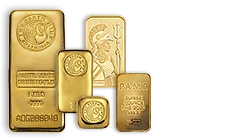
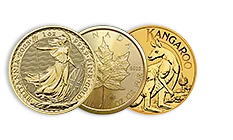
The process is simple. You choose a trusted dealer, select your product, and purchase based on the live gold price NZ and Australia plus a premium. You can choose from:
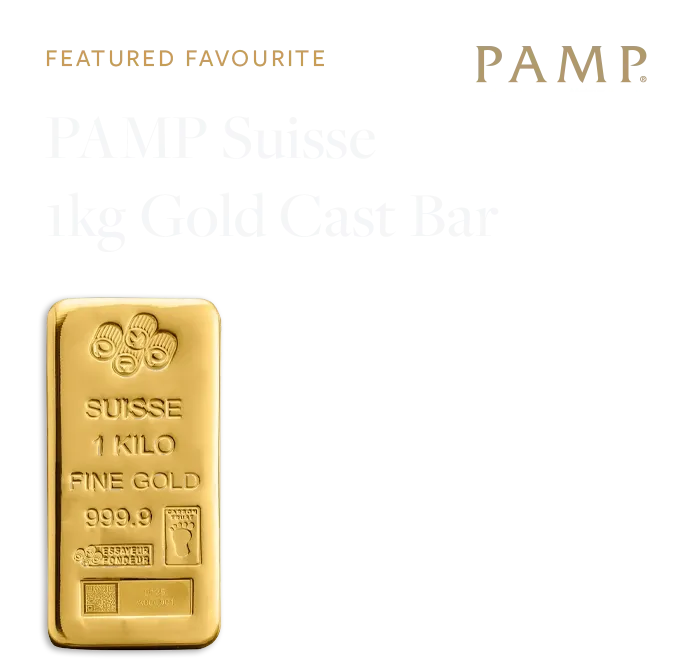
- gold bars
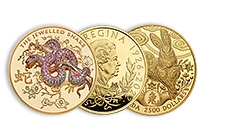
- gold coins
From there, you store it securely and hold it as part of your overall financial position. The process isn’t complicated. The decision is what matters most.
How to Get the Best Result
If you’re considering physical gold NZ and Australia, the best approach is a balanced one. Focus on:
- understanding why you want to own gold
- choosing recognised, high-quality products
- working with a trusted dealer
- thinking long term rather than reacting to short-term movements
You don’t need to rush. You just need clarity.
Key Summary
If you’ve been wondering why physical gold still matters today, the answer comes down to one thing. It offers something different.
In a world built on systems, access, and digital infrastructure, physical gold provides independence, control, and a long-term store of value. It’s not about replacing modern finance. It’s about complementing it. And that’s why gold continues to hold its place.
If you’re unsure which option is right for you, browse the MyGold® website or reach out to our team - we’re always happy to help.