Your Trusted New Zealand Gold & Silver Dealer, Shipping Across Sydney, Melbourne & All of Australia


'%3e%3cpath%20d='M35.9662%2018.6756C35.9662%2028.4318%2028.0577%2036.4142%2018.2276%2036.4142C8.47382%2036.4142%200.491455%2028.4318%200.491455%2018.6756C0.491455%208.84547%208.47382%200.937012%2018.2276%200.937012C28.0577%200.937012%2035.9662%208.84547%2035.9662%2018.6756Z'%20fill='%234E4E4E'/%3e%3cpath%20d='M28.5611%2013.6174C28.3197%2012.7144%2027.6084%2012.003%2026.7052%2011.7616C25.0681%2011.323%2018.5034%2011.323%2018.5034%2011.323C18.5034%2011.323%2011.9389%2011.323%2010.3018%2011.7616C9.39859%2012.003%208.68734%2012.7144%208.44594%2013.6174C8.0072%2015.2547%208.0072%2018.6703%208.0072%2018.6703C8.0072%2018.6703%208.0072%2022.086%208.44594%2023.7231C8.68734%2024.6262%209.39859%2025.3378%2010.3018%2025.579C11.9389%2026.0177%2018.5034%2026.0177%2018.5034%2026.0177C18.5034%2026.0177%2025.0681%2026.0177%2026.7052%2025.579C27.6084%2025.3378%2028.3197%2024.6262%2028.5611%2023.7231C28.9998%2022.086%2028.9998%2018.6703%2028.9998%2018.6703C28.9998%2018.6703%2028.9998%2015.2547%2028.5611%2013.6174Z'%20fill='%23E2D0A9'/%3e%3cpath%20d='M16.0072%2021.323L21.0072%2018.3232L16.0072%2015.323V21.323Z'%20fill='%234E4E4E'/%3e%3c/g%3e%3cdefs%3e%3cclipPath%20id='clip0_1338_5546'%3e%3crect%20width='37'%20height='37'%20fill='white'%20transform='translate(0.00720215%200.322998)'/%3e%3c/clipPath%3e%3c/defs%3e%3c/svg%3e)
;}%3c/style%3e%3cclipPath%20id='b'%3e%3crect%20class='c'%20width='37'%20height='37'/%3e%3c/clipPath%3e%3c/defs%3e%3cg%20class='f'%3e%3cpath%20class='d'%20d='M36.23,18.35c0,9.75-7.91,17.74-17.74,17.74S.75,28.11.75,18.35,8.73.61,18.49.61s17.74,7.91,17.74,17.74Z'/%3e%3cpath%20class='e'%20d='M25.53,12.76c-2-.43-3.49-2.11-3.68-4.15v-.43h-3.36v13.35c0,1.56-1.28,2.82-2.84,2.82-.88,0-1.71-.42-2.24-1.12h0s0,0,0,0c-.94-1.24-.7-3.02.54-3.96.73-.56,1.69-.72,2.57-.44v-3.42c-3.38-.47-6.5,1.9-6.97,5.28-.26,1.89.37,3.8,1.7,5.17,2.39,2.44,6.3,2.49,8.74.1,1.19-1.16,1.86-2.76,1.86-4.42v-6.82c1.36.97,2.99,1.49,4.66,1.49v-3.34c-.33,0-.66-.03-.98-.1Z'/%3e%3c/g%3e%3c/svg%3e)
'%3e%3cpath%20fill-rule='evenodd'%20clip-rule='evenodd'%20d='M36.0997%2018.6758C36.0997%2028.4296%2028.1913%2036.4144%2018.3611%2036.4144C8.53345%2036.4144%200.625%2028.4296%200.625%2018.6758C0.625%208.84571%208.53345%200.937256%2018.3611%200.937256C28.1913%200.937256%2036.0997%208.84571%2036.0997%2018.6758Z'%20fill='%234E4E4E'/%3e%3cpath%20fill-rule='evenodd'%20clip-rule='evenodd'%20d='M22.5741%2010.25H19.9158C17.6984%2010.25%2016.0699%2012.0978%2016.0699%2014.4629V16.089H13.2638V18.8237H16.0699V27.0277H19.2481V18.8237H22.5741V16.089H19.2481V14.1673C19.2481%2013.576%2019.6201%2013.1325%2019.9158%2013.1325H22.5741V10.25Z'%20fill='%23E2D0A9'/%3e%3c/g%3e%3cdefs%3e%3cclipPath%20id='clip0_1338_5538'%3e%3crect%20width='37'%20height='37'%20fill='white'%20transform='translate(0.00720215%200.322998)'/%3e%3c/clipPath%3e%3c/defs%3e%3c/svg%3e)
'%3e%3cpath%20fill-rule='evenodd'%20clip-rule='evenodd'%20d='M36.2344%2018.6756C36.2344%2028.4294%2028.3259%2036.4142%2018.4933%2036.4142C8.73957%2036.4142%200.757202%2028.4294%200.757202%2018.6756C0.757202%208.84547%208.73957%200.937012%2018.4933%200.937012C28.3259%200.937012%2036.2344%208.84547%2036.2344%2018.6756Z'%20fill='%234E4E4E'/%3e%3cpath%20fill-rule='evenodd'%20clip-rule='evenodd'%20d='M26.3155%209.78467C26.6931%209.78467%2027.0278%209.91374%2027.3195%2010.1719C27.6113%2010.4301%2027.7572%2010.7484%2027.7572%2011.1271V27.4423C27.7572%2027.8209%2027.6113%2028.1393%2027.3195%2028.3974C27.0278%2028.6556%2026.6931%2028.7847%2026.3155%2028.7847H10.1474C9.76985%2028.7847%209.44374%2028.6556%209.16913%2028.3974C8.89451%2028.1393%208.7572%2027.8209%208.7572%2027.4423V11.1271C8.7572%2010.7484%208.89451%2010.4301%209.16913%2010.1719C9.44374%209.91374%209.76985%209.78467%2010.1474%209.78467H26.3155ZM14.2989%2025.618V16.9097H11.9239V25.618H14.2989ZM12.7155%2015.3263C13.1444%2015.3263%2013.5154%2015.1697%2013.8288%2014.8563C14.1422%2014.5429%2014.2989%2014.1718%2014.2989%2013.743C14.2989%2013.3142%2014.1422%2012.9431%2013.8288%2012.6297C13.5154%2012.3164%2013.1444%2012.1597%2012.7155%2012.1597C12.2867%2012.1597%2011.9156%2012.3164%2011.6023%2012.6297C11.2889%2012.9431%2011.1322%2013.3142%2011.1322%2013.743C11.1322%2014.2048%2011.2806%2014.5841%2011.5775%2014.881C11.8744%2015.1779%2012.2537%2015.3263%2012.7155%2015.3263ZM24.5905%2025.618V20.9252C24.5905%2019.635%2024.36%2018.6433%2023.899%2017.9498C23.438%2017.2564%2022.5586%2016.9097%2021.2609%2016.9097C19.9632%2016.9097%2019.0753%2017.3612%2018.5972%2018.2643H18.5459V17.1032H15.8822V25.618H18.6484V21.409C18.6484%2019.9576%2019.2119%2019.2319%2020.3388%2019.2319C20.7828%2019.2319%2021.1157%2019.369%2021.3377%2019.6431C21.5597%2019.9173%2021.6878%2020.1753%2021.7219%2020.4172C21.7561%2020.6591%2021.7731%2021.0058%2021.7731%2021.4574V25.618H24.5905Z'%20fill='%23E2D0A9'/%3e%3c/g%3e%3cdefs%3e%3cclipPath%20id='clip0_1338_5530'%3e%3crect%20width='37'%20height='37'%20fill='white'%20transform='translate(0.00720215%200.322998)'/%3e%3c/clipPath%3e%3c/defs%3e%3c/svg%3e)






Why Platinum and Why Now? Scarcity, Supply Tightness and the Investment Case.

Why Platinum Is Suddenly Back in Focus - And Why It Matters Now
Platinum is scarce, under-watched, and back in focus for a reason
Platinum has always been one of the most intriguing precious metals, but right now it is becoming one of the most important to watch.
Unlike gold and silver, physical platinum bullion coins are produced by only a handful of major sovereign mints. The Perth Mint is currently issuing multiple 2026 platinum bullion releases, the Royal Canadian Mint continues its Platinum Maple Leaf bullion program, and the U.S. Mint still maintains the American Eagle platinum bullion program. That is a much smaller physical coin market than investors are used to seeing in gold or silver.
At the same time, the platinum market is sending signals that are hard to ignore.
Mine supply remains highly concentrated. Physical tightness has shown up in elevated lease rates and backwardation. The market has been running persistent deficits. And platinum still trades at a level that many investors see as historically unusual relative to gold.
That is exactly why we’ve written this blog.
More people are searching is platinum a good investment, why is platinum cheaper than gold, is platinum undervalued, and should I buy platinum now. This piece is here to answer those questions clearly and explain why platinum is attracting renewed attention in 2026.
What is platinum and why does it matter?
Platinum is a precious metal with both investment and industrial demand.
That is what makes it so different.
Gold is largely driven by monetary demand and wealth preservation. Silver sits between monetary and industrial demand. Platinum is more specialised. It is used in autocatalysts, chemical production, petroleum refining, glass manufacturing and a range of advanced industrial applications, while also being accumulated by investors through bars and bullion coins.
So when you invest in platinum, you are not just buying another precious metal. You are buying a metal with scarce supply, strategic industrial use, and far less physical bullion production than gold or silver.
Is platinum rarer than gold?
In practical supply terms, platinum is extraordinarily scarce.
According to the USGS, South Africa alone accounts for roughly 70.7% of potential 2024 platinum mine capacity, with Russia contributing 11.6% and Zimbabwe 8.3%. That means the global platinum market relies heavily on a very small number of producing regions.
That concentration matters.
When a metal’s supply is this geographically dependent, disruptions can have a bigger impact. Power issues, labour disruptions, geopolitical strain and underinvestment in mine development all matter more. Platinum supply is not broad, deep or easy to expand.
This is one reason platinum continues to stand out in the broader precious metals investment conversation.
Why is platinum cheaper than gold?
This is one of the most searched platinum questions - and one of the most misunderstood.
Historically, platinum often traded above gold. That was largely due to its rarity and industrial importance. Today, gold trades at a premium because it has become the market’s preferred monetary hedge, helped by central bank buying, reserve diversification and safe-haven demand. Platinum, on the other hand, is still being priced more through the lens of industrial demand and cyclical sentiment.
That pricing gap is exactly why many investors are paying attention now.
If platinum is structurally scarce, physically tighter than the headline price suggests, and still trading below gold, then the obvious question becomes whether the market is underpricing it.
Is platinum undervalued?
There is a serious argument that platinum is undervalued - or at the very least, underappreciated.
The World Platinum Investment Council has highlighted persistent platinum deficits, including a forecast 692 koz deficit for 2025 in its November 2025 outlook. WPIC also pointed to extremely high lease rates and deep backwardation as evidence that physical market tightness remains real.
That matters because persistent deficits are not noise. They are a signal.
A market can live with imbalance for a while. But when supply cannot easily respond and physical tightness is already showing up in borrowing costs, investors start to look much harder at what the metal is actually worth.
Why are platinum lease rates important?
For investors researching platinum supply and demand, this is one of the most important advanced indicators to understand.
A lease rate is the cost of borrowing physical platinum. When that rate rises sharply, it can indicate that physical metal is harder to source than normal. WPIC has directly linked elevated platinum lease rates to ongoing tightness in the market.
In simple terms, high lease rates can suggest that the physical market is tighter than many investors realise.
That is one reason physical platinum becomes especially relevant in times like this. If availability is limited and only a few major mints are producing platinum bullion coins, delays and scarcity can show up faster than they do in the gold or silver market.
What is driving platinum demand right now?
Platinum demand is not based on one story. It comes from multiple directions.
WPIC notes that automotive demand remains strong, with 2025 automotive platinum demand forecast around 10% above the prior five-year average. At the same time, platinum remains essential in industrial uses including chemicals, refining and glass.
That means platinum is not relying only on investor demand to justify attention.
It already has real-world demand built into the global economy.
And because platinum supply is so concentrated, even steady demand can matter more than people think.
Which mints produce platinum bullion coins?
This is where the platinum story becomes especially relevant for bullion buyers.
Platinum coins are simply not produced at the same scale as gold or silver coins.
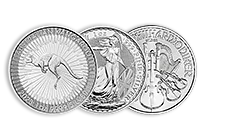
In today’s market, major platinum bullion coin issuers include the Perth Mint, the Royal Canadian Mint, and the U.S. Mint. The Perth Mint currently lists multiple 2026 platinum bullion releases, including the 1oz Platinum Kangaroo, while the Royal Canadian Mint continues to produce the Platinum Maple Leaf bullion coin. The U.S. Mint states that its American Eagle Platinum Bullion Coin is the first and only official investment-grade platinum bullion coin from the United States Government.
That smaller mint ecosystem matters.
Fewer issuers means fewer coins, fewer product lines, and a physical platinum market that can feel tight much faster than gold or silver.
Why invest in platinum now?
Because the setup is unusually compelling.
Right now, platinum offers investors exposure to:
- A metal with highly concentrated mine supply
- Persistent market deficits
- Tight physical signals through lease rates and backwardation
- Limited sovereign bullion coin production
- A historical price relationship with gold that still looks unusual
That is why platinum is back on the radar. Not because it is trendy. Because the fundamentals are too interesting to ignore.
Is platinum a good investment?
For the right investor, it can be. Platinum is not a replacement for gold. It is not the same type of monetary hedge. But for investors who already understand gold investment, silver investment, and the value of holding real metal outside the financial system, platinum offers something different.
It offers scarcity with industrial relevance.
It offers diversification within precious metals.
And it offers exposure to a physical market that is smaller, tighter and less crowded than gold or silver.
That does not mean it will move tomorrow. But it does mean the case for owning platinum is becoming easier to make.
Final thoughts: why platinum, why now?
Platinum is one of those metals that often gets ignored - until the market starts forcing people to pay attention.
Right now, the ingredients are there:
- Supply is concentrated.
- Deficits are building.
- Lease rates have been elevated.
- Physical coin production is limited to only a handful of major mints.
- And platinum still sits in a part of the market that many investors have barely explored.
That is why now feels different. And that is exactly why more investors are asking whether this is the right time to secure physical platinum bullion before the rest of the market catches up.
Platinum may not command the same attention as gold or silver, but that is exactly what makes it worth understanding now.
It is a scarce precious metal with highly concentrated mine supply, growing industrial relevance, and a much smaller physical bullion market than most investors realise. Add in elevated lease rates, ongoing supply deficits, and a historically unusual price relationship with gold, and the case for paying closer attention becomes much stronger.
For investors looking to diversify within precious metals, platinum offers something genuinely different. Not just another metal, but a market where scarcity, utility and limited physical availability all intersect.
That does not mean platinum is guaranteed to outperform. But it does mean that for investors willing to look beyond the obvious, platinum is becoming harder to ignore.
FAQ: most searched platinum questions
Is platinum a good investment?
Platinum can be a strong diversification metal for investors who want exposure beyond gold and silver, especially given its supply tightness and industrial demand.
Why is platinum cheaper than gold?
Gold currently benefits from stronger monetary demand and central bank interest, while platinum is priced more heavily through industrial demand and cyclical sentiment.
Is platinum rarer than gold?
Platinum supply is extremely concentrated and much smaller in practical terms, especially compared with globally diversified gold production.
Why are platinum lease rates rising?
Higher lease rates can signal physical tightness in the platinum market, meaning physical metal may be harder to borrow or source.
Which mints make platinum bullion coins?
Major sovereign issuers include the Perth Mint, Royal Canadian Mint and U.S. Mint.