Why Physical Gold Still Matters Today
Physical gold still matters today because it offers direct ownership, long-term wealth protection and independence from purely digital financial systems. For investors in New Zealand and Australia, physical gold remains a trusted store of value, inflation hedge and safe haven asset, helping to protect purchasing power during economic uncertainty, currency weakness, market volatility and rising living costs. Unlike cash, shares or digital assets, gold bullion, gold bars and gold coins can be held, stored and controlled directly.
In short, physical gold investment in NZ and Australia continues to play an important role in portfolio diversification, financial security and real asset ownership. For investors looking to buy gold, preserve wealth and reduce reliance on banks, platforms or digital systems, physical gold remains a practical long-term asset with global recognition and enduring value.
Read More
Best Gold Coins to Buy in NZ and Australia (2026 Edition)
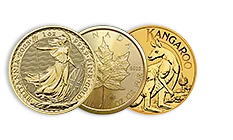
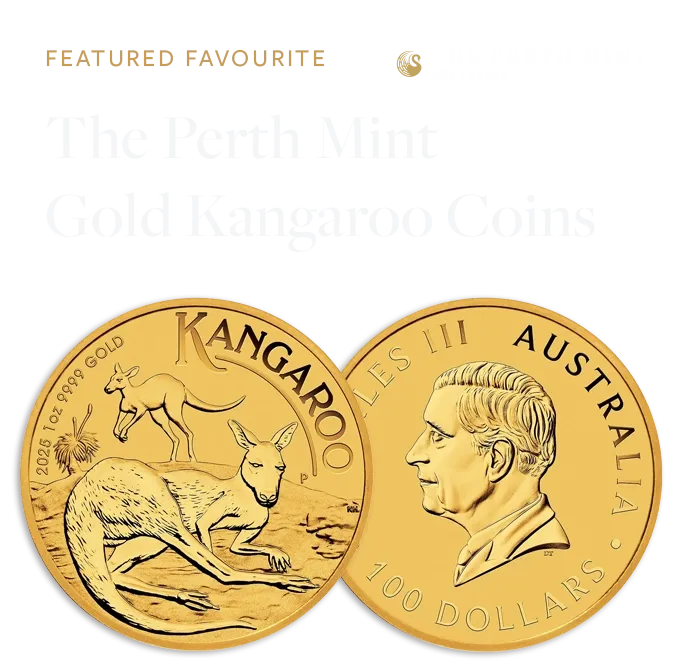
The best gold coins to buy in NZ and Australia in 2026 are globally recognised bullion coins with strong liquidity, trusted mint backing and reliable resale demand. Popular investment-grade gold coins such as the Canadian Gold Maple Leaf, Perth Mint Gold Kangaroo, British Gold Britannia, Austrian Gold Philharmonic, American Gold Buffalo and Perth Mint Lunar Series remain highly searched by investors looking to buy gold coins, invest in physical gold, protect wealth and build a long-term precious metals portfolio. These coins stand out because they offer recognised purity, global market acceptance, strong security features and confidence when it comes time to sell.
In short, gold coins are a practical choice for investors in New Zealand and Australia who want flexibility, liquidity and trusted physical gold ownership. For those comparing gold coins vs gold bars, bullion coins offer easier resale, smaller investment increments and wider recognition, making them a strong option for both beginners and experienced gold investors in 2026.
Read More
What Makes a Coin Valuable or Collectible?
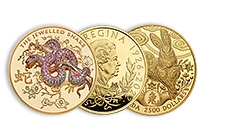
A coin’s value is driven by more than just its gold or silver content, with mintage, rarity, demand, condition, mint reputation and design all playing a major role in collectability. For buyers in New Zealand and Australia searching for collectible coins, rare coins, proof coins, bullion coins or limited mintage coins, understanding what makes a coin valuable can help identify pieces with stronger long-term appeal. Coins from trusted mints such as the Perth Mint and Royal Canadian Mint often carry added confidence because of their quality, recognition and resale demand.
In short, valuable collectible coins usually combine scarcity, trusted minting, strong market demand, condition and a compelling story or design. Whether you are buying gold coins, silver coins, proof coins or bullion coins in NZ and Australia, knowing the difference between metal value and collectible value can help you make smarter, more confident buying decisions.
Read More
Why Silver Could Be Undervalued Right Now
Silver could be undervalued right now as rising industrial demand, tightening supply, renewable energy growth and the gold-silver ratio continue to draw attention from investors in New Zealand and Australia. Unlike gold, silver is both a precious metal and an industrial metal, used in solar panels, electronics, technology, medical applications and manufacturing. This makes the silver price in NZ and Australia highly influenced by global demand, supply shortages, investment sentiment and long-term market trends.
In short, silver investment in NZ and Australia may appeal to investors looking for physical silver, silver bullion, silver bars, silver coins and potential long-term growth. While silver is more volatile than gold, its lower entry point, industrial demand and possible undervaluation make it a compelling option for buyers seeking precious metals exposure, portfolio diversification and real asset ownership.
Read More
Is Now a Good Time to Buy Gold in NZ and Australia?
Buying gold in NZ and Australia remains a key consideration for investors heading into 2026, especially as people look for long-term wealth protection, portfolio diversification and safe haven assets. While many buyers ask “is now a good time to buy gold?” or “should I buy gold now or wait?”, the stronger question is whether physical gold has a clear role in your investment strategy. The gold price in New Zealand and Australia can move with inflation, interest rates, currency changes, central bank activity and global market uncertainty, but gold is typically bought for stability, purchasing power protection and long-term value rather than short-term price timing.
In short, gold investment in NZ and Australia continues to appeal to investors wanting tangible assets, recognised gold bullion, gold bars, gold coins and a hedge against economic uncertainty. For many buyers, the best time to buy gold is less about waiting for the perfect dip and more about buying with a clear purpose, choosing trusted bullion products and holding physical gold as part of a balanced long-term precious metals strategy.
Read More
How Much Is My Gold Worth in NZ and Australia? (2026 Guide)
Your gold’s value in NZ and Australia is based on three key factors: weight, purity and the current gold price. Whether you’re selling gold jewellery, coins or bullion, the live gold price is only the starting point - your actual gold payout depends on the carat level, total gold content, buyer payout rate, refining costs and market conditions. For anyone searching “how much is my gold worth NZ,” “gold valuation Australia,” “sell gold jewellery NZ” or “gold price Australia,” understanding the difference between spot price and payout is essential before selling.
In short, a fair gold valuation should clearly explain your gold’s weight, purity, live market price and final offer. For sellers in New Zealand and Australia, knowing how gold buyers calculate value can help you compare quotes, avoid confusion and sell gold with more confidence.
Read More
Best 1kg Gold Bars to Buy in 2026 (NZ and Australian Guide)
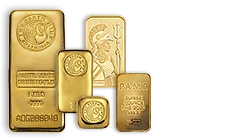
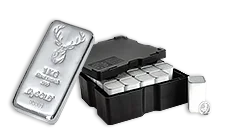
The best 1kg gold bars to buy in 2026 for NZ and Australian investors are globally recognised, LBMA-approved gold bullion bars from trusted refiners such as PAMP Suisse, Perth Mint, Austrian Mint, ABC Bullion and MyGold®. For those looking to buy gold bars in NZ or Australia, 1kg gold bars offer strong liquidity, lower premiums per gram, recognised purity and long-term resale confidence. As demand for physical gold, wealth protection, portfolio diversification and safe haven assets continues to grow, kilo gold bars remain one of the most efficient ways to invest in gold bullion.
In short, 1kg gold bars are a strong choice for serious investors wanting to buy physical gold in New Zealand or Australia, preserve wealth, protect purchasing power and build a long-term precious metals portfolio with trusted, investment-grade gold bars.
Read More
Gold vs Silver - Which Should You Buy in 2026?
Gold vs silver remains one of the biggest questions for investors heading into 2026, especially for those looking to buy precious metals in New Zealand or Australia. Gold is often chosen for stability, long-term wealth protection, safe haven investing and preserving purchasing power, while silver is commonly seen as a more accessible precious metal with higher growth potential, industrial demand and greater price movement. For investors comparing gold investment vs silver investment, the right choice depends on whether the focus is security, diversification, affordability, upside potential or a balanced physical bullion portfolio.
In short, gold and silver both play important roles in a long-term precious metals strategy. Gold suits investors looking for stability, lower volatility and wealth preservation, while silver may appeal to those wanting a lower entry point, flexibility and potential growth. For many NZ and Australian investors, buying both gold and silver can offer a stronger balance of protection, opportunity and real asset ownership.
Read More
Best Silver Coins to Buy in 2026 (NZ and Australian Guide)
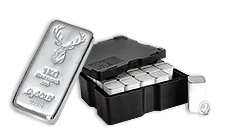
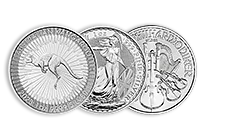
Silver coins remain one of the most practical and popular ways to invest in physical silver heading into 2026, with buyers in New Zealand and Australia continuing to look for trusted, recognisable and easy-to-sell bullion products. As demand for tangible assets, portfolio diversification and long-term wealth protection continues to grow, well-known silver coins such as the Canadian Maple Leaf, Australian Kangaroo, British Britannia, American Silver Eagle, Krugerrand, Austrian Philharmonic and Perth Mint silver releases remain highly relevant for investors seeking liquidity, global recognition and confidence in the resale market. With silver sitting at the intersection of investment demand and industrial use, recognised bullion coins offer a clear and accessible entry point for both new and experienced precious metals buyers.
In short, the best silver coins to buy in 2026 are those that combine strong mint reputation, recognised purity, market trust and long-term resale appeal. For investors in New Zealand and Australia, silver bullion coins continue to stand out as a sensible option for those looking beyond short-term price movements and focusing instead on physical ownership, flexibility, diversification and real asset value.
Read More

'%3e%3cpath%20d='M35.9662%2018.6756C35.9662%2028.4318%2028.0577%2036.4142%2018.2276%2036.4142C8.47382%2036.4142%200.491455%2028.4318%200.491455%2018.6756C0.491455%208.84547%208.47382%200.937012%2018.2276%200.937012C28.0577%200.937012%2035.9662%208.84547%2035.9662%2018.6756Z'%20fill='%234E4E4E'/%3e%3cpath%20d='M28.5611%2013.6174C28.3197%2012.7144%2027.6084%2012.003%2026.7052%2011.7616C25.0681%2011.323%2018.5034%2011.323%2018.5034%2011.323C18.5034%2011.323%2011.9389%2011.323%2010.3018%2011.7616C9.39859%2012.003%208.68734%2012.7144%208.44594%2013.6174C8.0072%2015.2547%208.0072%2018.6703%208.0072%2018.6703C8.0072%2018.6703%208.0072%2022.086%208.44594%2023.7231C8.68734%2024.6262%209.39859%2025.3378%2010.3018%2025.579C11.9389%2026.0177%2018.5034%2026.0177%2018.5034%2026.0177C18.5034%2026.0177%2025.0681%2026.0177%2026.7052%2025.579C27.6084%2025.3378%2028.3197%2024.6262%2028.5611%2023.7231C28.9998%2022.086%2028.9998%2018.6703%2028.9998%2018.6703C28.9998%2018.6703%2028.9998%2015.2547%2028.5611%2013.6174Z'%20fill='%23E2D0A9'/%3e%3cpath%20d='M16.0072%2021.323L21.0072%2018.3232L16.0072%2015.323V21.323Z'%20fill='%234E4E4E'/%3e%3c/g%3e%3cdefs%3e%3cclipPath%20id='clip0_1338_5546'%3e%3crect%20width='37'%20height='37'%20fill='white'%20transform='translate(0.00720215%200.322998)'/%3e%3c/clipPath%3e%3c/defs%3e%3c/svg%3e)
;}%3c/style%3e%3cclipPath%20id='b'%3e%3crect%20class='c'%20width='37'%20height='37'/%3e%3c/clipPath%3e%3c/defs%3e%3cg%20class='f'%3e%3cpath%20class='d'%20d='M36.23,18.35c0,9.75-7.91,17.74-17.74,17.74S.75,28.11.75,18.35,8.73.61,18.49.61s17.74,7.91,17.74,17.74Z'/%3e%3cpath%20class='e'%20d='M25.53,12.76c-2-.43-3.49-2.11-3.68-4.15v-.43h-3.36v13.35c0,1.56-1.28,2.82-2.84,2.82-.88,0-1.71-.42-2.24-1.12h0s0,0,0,0c-.94-1.24-.7-3.02.54-3.96.73-.56,1.69-.72,2.57-.44v-3.42c-3.38-.47-6.5,1.9-6.97,5.28-.26,1.89.37,3.8,1.7,5.17,2.39,2.44,6.3,2.49,8.74.1,1.19-1.16,1.86-2.76,1.86-4.42v-6.82c1.36.97,2.99,1.49,4.66,1.49v-3.34c-.33,0-.66-.03-.98-.1Z'/%3e%3c/g%3e%3c/svg%3e)
'%3e%3cpath%20fill-rule='evenodd'%20clip-rule='evenodd'%20d='M36.0997%2018.6758C36.0997%2028.4296%2028.1913%2036.4144%2018.3611%2036.4144C8.53345%2036.4144%200.625%2028.4296%200.625%2018.6758C0.625%208.84571%208.53345%200.937256%2018.3611%200.937256C28.1913%200.937256%2036.0997%208.84571%2036.0997%2018.6758Z'%20fill='%234E4E4E'/%3e%3cpath%20fill-rule='evenodd'%20clip-rule='evenodd'%20d='M22.5741%2010.25H19.9158C17.6984%2010.25%2016.0699%2012.0978%2016.0699%2014.4629V16.089H13.2638V18.8237H16.0699V27.0277H19.2481V18.8237H22.5741V16.089H19.2481V14.1673C19.2481%2013.576%2019.6201%2013.1325%2019.9158%2013.1325H22.5741V10.25Z'%20fill='%23E2D0A9'/%3e%3c/g%3e%3cdefs%3e%3cclipPath%20id='clip0_1338_5538'%3e%3crect%20width='37'%20height='37'%20fill='white'%20transform='translate(0.00720215%200.322998)'/%3e%3c/clipPath%3e%3c/defs%3e%3c/svg%3e)
'%3e%3cpath%20fill-rule='evenodd'%20clip-rule='evenodd'%20d='M36.2344%2018.6756C36.2344%2028.4294%2028.3259%2036.4142%2018.4933%2036.4142C8.73957%2036.4142%200.757202%2028.4294%200.757202%2018.6756C0.757202%208.84547%208.73957%200.937012%2018.4933%200.937012C28.3259%200.937012%2036.2344%208.84547%2036.2344%2018.6756Z'%20fill='%234E4E4E'/%3e%3cpath%20fill-rule='evenodd'%20clip-rule='evenodd'%20d='M26.3155%209.78467C26.6931%209.78467%2027.0278%209.91374%2027.3195%2010.1719C27.6113%2010.4301%2027.7572%2010.7484%2027.7572%2011.1271V27.4423C27.7572%2027.8209%2027.6113%2028.1393%2027.3195%2028.3974C27.0278%2028.6556%2026.6931%2028.7847%2026.3155%2028.7847H10.1474C9.76985%2028.7847%209.44374%2028.6556%209.16913%2028.3974C8.89451%2028.1393%208.7572%2027.8209%208.7572%2027.4423V11.1271C8.7572%2010.7484%208.89451%2010.4301%209.16913%2010.1719C9.44374%209.91374%209.76985%209.78467%2010.1474%209.78467H26.3155ZM14.2989%2025.618V16.9097H11.9239V25.618H14.2989ZM12.7155%2015.3263C13.1444%2015.3263%2013.5154%2015.1697%2013.8288%2014.8563C14.1422%2014.5429%2014.2989%2014.1718%2014.2989%2013.743C14.2989%2013.3142%2014.1422%2012.9431%2013.8288%2012.6297C13.5154%2012.3164%2013.1444%2012.1597%2012.7155%2012.1597C12.2867%2012.1597%2011.9156%2012.3164%2011.6023%2012.6297C11.2889%2012.9431%2011.1322%2013.3142%2011.1322%2013.743C11.1322%2014.2048%2011.2806%2014.5841%2011.5775%2014.881C11.8744%2015.1779%2012.2537%2015.3263%2012.7155%2015.3263ZM24.5905%2025.618V20.9252C24.5905%2019.635%2024.36%2018.6433%2023.899%2017.9498C23.438%2017.2564%2022.5586%2016.9097%2021.2609%2016.9097C19.9632%2016.9097%2019.0753%2017.3612%2018.5972%2018.2643H18.5459V17.1032H15.8822V25.618H18.6484V21.409C18.6484%2019.9576%2019.2119%2019.2319%2020.3388%2019.2319C20.7828%2019.2319%2021.1157%2019.369%2021.3377%2019.6431C21.5597%2019.9173%2021.6878%2020.1753%2021.7219%2020.4172C21.7561%2020.6591%2021.7731%2021.0058%2021.7731%2021.4574V25.618H24.5905Z'%20fill='%23E2D0A9'/%3e%3c/g%3e%3cdefs%3e%3cclipPath%20id='clip0_1338_5530'%3e%3crect%20width='37'%20height='37'%20fill='white'%20transform='translate(0.00720215%200.322998)'/%3e%3c/clipPath%3e%3c/defs%3e%3c/svg%3e)